01
Inspection first
Roof void, walls and subfloor checked to find how rodents are getting in.

Rat Trapping in Melbourne means finding where rats are getting in, trapping them properly, and sealing the entry points so they cannot come back. If you are hearing scratching in the ceiling at 2am or finding droppings behind the kettle, our licensed technicians handle rat catching in Melbourne homes, cafes and warehouses. We inspect, trap, remove and proof, usually in a single visit.
Roof void, walls and subfloor checked to find how rodents are getting in.
You see what we found and the plan before any work starts.
Gaps proofed with steel mesh and sealant, not just bait.
Lockable, tamper-resistant stations placed with kids and pets in mind.
Rat Trapping in Melbourne is the targeted use of snap traps, live catch traps and secured bait stations to remove rats from a building, followed by proofing work that stops new ones getting in. It is not scattering a few traps in the roof and hoping. We map the run lines rats use, place traps along walls and beams where rodents actually travel, and check entry points with inspection mirrors and thermal imaging cameras before anything is set.
Melbourne's older housing stock is the reason this matters. Weatherboard and brick-veneer homes in Hawthorn, Kew and Balwyn were built with gaps around eaves, plumbing penetrations and roof tiles that a young rat fits through at 20mm. Add a wet spring and a hot, dry summer and rats move indoors looking for water and shelter. If you have searched for rat traps near me Melbourne and ended up with a supermarket pack that caught nothing, the issue is placement and entry points, not effort.
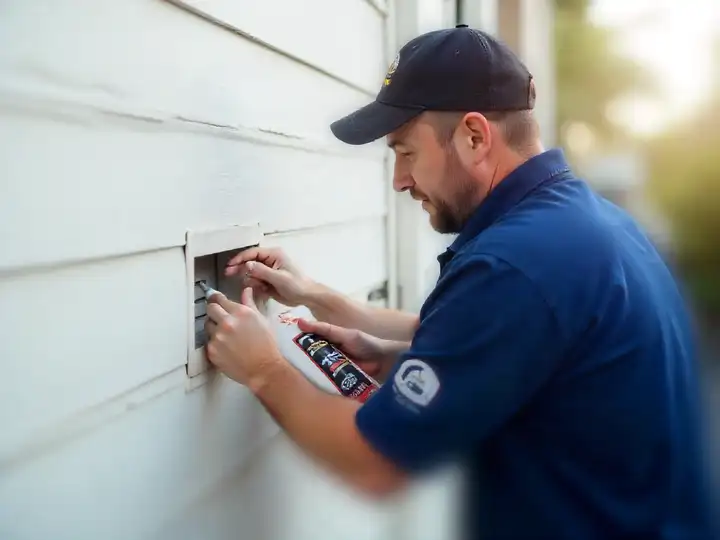
We book a same-day or next-day inspection. On arrival the technician walks the property with you, checks the roof void, subfloor, kitchen, laundry and garage, and looks for droppings, rub marks, gnawed wiring and noise in the ceiling. This usually takes 45 to 60 minutes.
We identify run lines, nesting areas and entry points using inspection mirrors and thermal imaging cameras. You get a clear picture of how many rats are active and where they are travelling, not just a guess based on one sighting.
Snap traps, live catch traps and locked bait stations go in along run lines, in the roof cavity and behind appliances. Traps are secured and placed out of reach of kids and pets. We tell you exactly where they are and what to expect overnight.
We return to check and clear the traps, then seal entry points with steel wool, copper mesh, wire mesh and expanding foam or cement mortar. Gaps around pipes, eaves and roof tiles get closed so the building is no longer an open door.
A follow-up visit confirms activity has stopped. For restaurants and ongoing-risk properties we set a monitoring schedule with bait stations checked every four to eight weeks, so a new rat is caught before it becomes an infestation.

Placed along run lines and beams for fast, humane dispatch. Secured so pets and children cannot reach them.
Used where a live capture is preferred, such as food premises or homes with sensitive occupants. Checked and cleared on a set schedule.
Locked, tamper-resistant stations holding rodenticide bait blocks, used for ongoing control in commercial and high-pressure sites.
Locate rats in walls and roof voids and pinpoint dead rats causing odour, without unnecessary demolition.
Let us see into subfloors, wall cavities and ceiling spaces to confirm activity and find entry points.
Stuffed into gaps around pipes and eaves. Rats cannot chew through either, unlike expanding foam on its own.
Used to close and finish larger entry points around roof tiles, vents and subfloor openings.
We trap and proof first, then use chemical control only where needed. This reduces rodenticide use and targets the cause rather than just the symptom.
Rats travel along walls, pipes and beams. We place traps on those lines rather than in open floor space, which is why our catch rates are higher than DIY setups.
We treat the building as a whole, sealing every gap a rat can use. Most homes need two to four entry points closed to make the envelope rodent-tight.
For restaurants, warehouses and repeat-pressure homes, bait stations and traps are checked every four to eight weeks so new activity is caught early.
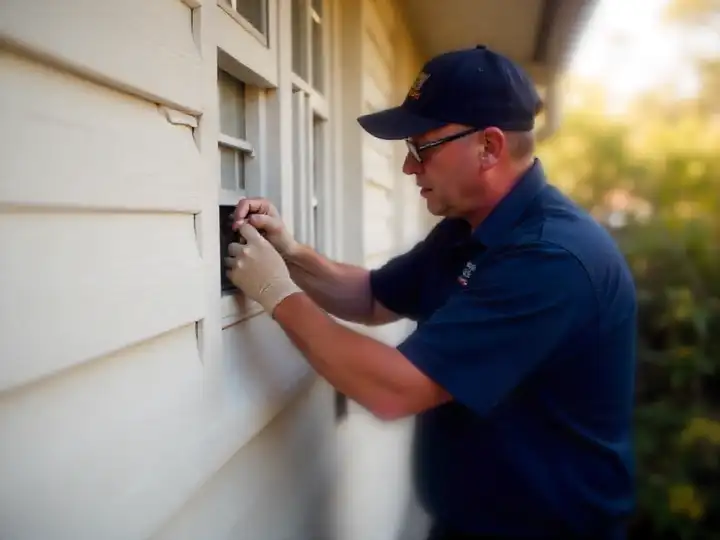
We inspect the roof void, find the run lines and entry points, set secured traps along the beams, and seal the gaps around the eaves and roof tiles. Activity stops within one to two weeks, and the sealed entry points prevent a repeat infestation the following season.
Same-day callout, locked bait stations and traps placed away from food prep areas, plus a documented monitoring schedule for ongoing compliance. The inspection passes, stock is protected, and stations are checked every four to eight weeks to catch new activity early.
We trap along the kitchen run lines, remove and treat contaminated areas, and seal the entry point behind the dishwasher and under the cabinetry. No further droppings after the follow-up check, and food storage advice reduces the chance of a return.
Thermal imaging locates the carcass, we remove it, treat the cavity, and seal the entry point so the tenant is not dealing with odour or flies. Odour clears within days, the tenant stays, and the sealed gap prevents the next rat from getting in.
A family in Hawthorn heard scratching above the bedroom every night. Two supermarket traps had caught nothing, and droppings were visible on the ceiling insulation.
We set secured snap traps along the roof beams and caught three rats over two visits. Entry points at the eaves and a pipe penetration were sealed with copper mesh and mortar. No noise since.
Maintenance: An annual roof void check before spring, plus keeping tree branches trimmed back from the roofline, keeps the entry points clear.
A Cremorne cafe had a rat sighting in the storeroom two weeks before a council inspection. Stock was at risk and staff were unsure what to do.
Same-day callout, locked bait stations and traps set away from food prep, and a documented monitoring schedule. The inspection passed with no rodent findings.
Maintenance: Bait stations are checked and restocked every six weeks, with a written record kept on site for inspections.
A dead rat in a Camberwell bedroom wall caused odour and flies for over a week. The homeowner could not locate it and was considering cutting into plaster.
Thermal imaging located the carcass in the wall cavity. We removed it, treated the area, and sealed the subfloor gap where the rat had entered. Odour cleared within three days.
Maintenance: Subfloor vents were meshed and checked, and we recommended a follow-up trap check two weeks later to confirm no further activity.
Our technicians hold licensed pest control technician credentials, public health licensing and chemical handling certificates, and work under APVMA approved products and Work Health and Safety (WHS) compliance on every site. We run Integrated Pest Management (IPM) methods, which means trapping, proofing and monitoring before chemical use, not the other way around. We work across Melbourne's inner and eastern suburbs daily, from single-storey weatherboards in Armadale to double-brick terraces in East Melbourne and commercial kitchens in Cremorne.
Cost depends on the number of entry points, roof access and whether proofing work is needed. You get the price before we start.
For snap traps and live catch traps we get the best results with peanut butter, rolled oats mixed with a little bacon fat, or dried fruit, because Melbourne rats are already feeding on household scraps. Bait blocks in locked stations use APVMA approved rodenticide. We match the bait to what the rats are already eating on your property.
Yes. We use humane rat trapping Melbourne methods, including live catch traps that let us release or dispatch animals humanely, and snap traps set to kill instantly. Bait stations are locked and placed away from pets and children. We follow WHS and public health requirements on every job.
You can, and many people try. The problem is placement and entry points. Rats travel along walls and beams, so traps in the open rarely work, and without sealing gaps new rats move in within weeks. A professional inspection finds the run lines and entry points in one visit, which usually saves money over repeated DIY attempts.
Not seeing your question? Our local team can help you understand urgency, scheduling and what to expect.
Ask the local team
Once traps have done their job, rat removal covers collection and safe disposal of carcasses from roof voids, wall cavities and subfloors, including dead rat smell treatment in Melbourne homes.
View service
Mice often move in alongside rats. We treat mice infestation with the same trap-and-proof method, scaled for smaller entry gaps, which is common in older Melbourne kitchens and pantries.
View service
Scratching in the ceiling is the classic sign. We locate rats in roof voids, trap them, remove nesting material and seal the roof entry points that let them in.
View service
Rats in walls are harder to reach. We use inspection mirrors and thermal imaging cameras to pinpoint activity, then trap and remove without unnecessary demolition.
View service
Send us the form and we will book you in, usually the same day for urgent rodent work.
Tell us what you are hearing or seeing and we will give you a straight answer on what the job involves and what it will cost. No obligation, no pressure.