01
Inspection first
Roof void, walls and subfloor checked to find how rodents are getting in.

Rodent Bait Stations in Melbourne are lockable, tamper-resistant housings that hold rodenticide bait blocks where rats and mice travel. If you hear scratching in the ceiling at 2am or find droppings behind the fridge, we install and monitor a baiting grid that knocks the population down and keeps it down. Same-day rodent baiting in Melbourne, seven days.
Roof void, walls and subfloor checked to find how rodents are getting in.
You see what we found and the plan before any work starts.
Gaps proofed with steel mesh and sealant, not just bait.
Lockable, tamper-resistant stations placed with kids and pets in mind.
A bait station is a sealed plastic or metal housing that holds rodenticide bait blocks, so rats and mice can feed inside it while pets, kids and native wildlife cannot reach the poison. We anchor each unit to a wall, joist or concrete slab, load it with APVMA-approved blocks such as Contrac or Ditrac, and record every station on a site map. Melbourne's older housing stock, with its subfloor voids and 1920s brickwork, gives rodents plenty of sheltered runways, and a properly placed station grid covers those runways instead of just one corner.
Most Melbourne customers contact us after weeks of noise in the ceiling, gnawed wiring or rat droppings along the skirting. The problem rarely sits where you hear it. Rats follow wall cavities, plumbing penetrations and roof voids, so we trace the run and place stations along it. If you have searched for rat bait stations near me Melbourne and been quoted a vague figure, our site assessment gives you a fixed plan: how many stations, where they go, and how often we return to check them.
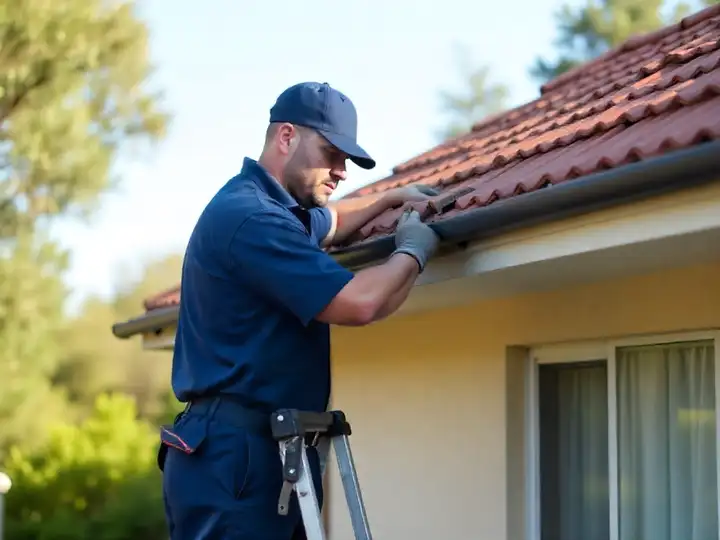
We ask what you are hearing, seeing and smelling, and where. Scratching in the ceiling at night points to roof rats; droppings in the pantry point to mice. Those details let us bring the right number of stations and the right bait on the first visit, so you are not paying for a second trip.
A licensed technician walks the property with an inspection mirror and a thermal imaging camera, checking the roof void, subfloor, wall cavities, garage, shed and any food storage areas. We map entry points, runways and existing droppings. This inspection takes 30 to 60 minutes on a standard Melbourne home.
We install lockable stations along the runways we found, anchored so they cannot be dragged. Typical placement is every 5 to 10 metres along walls, plus one in each roof void corner and one at each external entry point. Each station is numbered and marked on a site map you keep.
We return every 7 to 14 days to check bait take, top up blocks, remove any carcasses and adjust placement. Most residential jobs need two to three monitoring visits before activity stops. Commercial sites move to a monthly schedule once the population is under control.
When bait take drops to zero for two consecutive visits, we remove the stations and give you a written clearance report. We also quote rodent proofing on the entry points we found, because baiting alone will not stop the next rat from walking through the same gap in the wall.
Tamper-resistant housings that hold rodenticide blocks and keep bait away from pets, kids and wildlife. Anchored to walls, joists or slabs so they cannot be dragged.
APVMA-approved second-generation anticoagulant blocks from Bell Laboratories, used on most residential and commercial jobs for a fast, reliable knockdown.
Used to find rats in wall cavities and roof voids where droppings and noise alone do not pinpoint the run. Cuts inspection time and improves station placement accuracy.
For checking subfloor vents, wall cavities and roof corners without pulling apart lining. Lets us confirm runways before we commit stations to a location.
Used where bait is not appropriate, such as around food handling areas, or to confirm species before a baiting program starts.
Proofing materials for sealing entry gaps after baiting. Copper mesh and steel wool block small gaps; wire mesh covers larger openings in vents and eaves.
We identify the species, find the entry point, treat the runway, then proof the building. Baiting is one step in the sequence, not the whole job, which is why our results hold after the stations come out.
Rats travel along walls, pipes and joists rather than across open floor. We place stations every 5 to 10 metres along those runs, plus one in each roof void corner and one at each external entry point.
We rotate rodenticide actives between monitoring cycles so rats do not develop bait shyness on long-running commercial programs. This keeps bait take reliable across months of servicing.
Every station is numbered and mapped. Each visit records bait take, new activity and any carcasses removed. Commercial clients get the records in writing for audits, insurance and council inspections.
We inspect the subfloor and roof void, place stations along the fence line, at the subfloor vents and in the roof corners, then check bait take fortnightly until activity stops. Activity drops to zero in about two weeks, and a proofing quote seals the subfloor vents so the next rats cannot get under the house.
We install 20 to 30 numbered stations around the perimeter, at the dock doors and along internal wall lines, then move to a monthly service with written reports. The site passes its audit with full documentation, and perimeter bait take shows any new activity before it reaches the storage area.
We do a full inspection, install lockable stations in the kitchen, store and bin areas, and schedule the first monitoring visit inside seven days. The inspection passes with station maps and service records on file, and the monthly schedule keeps the documentation current.
We bait the bin room and subfloor with anchored stations, document every unit on a site map, and quote proofing for the door gaps and service penetrations. Resident complaints stop within three weeks and the body corporate has a proofing plan to prevent re-entry.
A homeowner in Kew had heard scratching above the bedroom for three weeks and found droppings in the roof void. Traps from the hardware store had caught nothing, and the noise was getting louder each night.
We installed eight numbered stations across the roof void and subfloor, checked them at day 7 and day 14, and recorded zero bait take by day 12. The scratching stopped, and the clearance report confirmed no active activity.
Maintenance: We sealed the entry gap near the downpipe with copper mesh. A quarterly check keeps the roof void clear, and the homeowner has had no repeat activity since.
A Cremorne warehouse storing dry goods had droppings near the loading dock and no documented pest control program. An upcoming audit required written records the site did not have.
We installed 24 numbered stations around the perimeter, at the dock doors and along internal wall lines. Bait take dropped to zero within three weeks, and the audit passed with full station maps and service records.
Maintenance: The site runs a monthly service with written reports. Perimeter bait take is reviewed each visit so any new activity is caught before it reaches the storage area.
A 14-unit apartment block in South Yarra had rats entering the bin room and subfloor through gaps under the fire doors. Residents had complained for months and the body corporate had no clear plan.
We baited the bin room and subfloor with anchored stations, documented every unit on a site map, and monitored fortnightly. Activity dropped to zero within three weeks and resident complaints stopped.
Maintenance: We quoted proofing for the fire door gaps and service penetrations. Once sealed, the block moved to a quarterly bait station check to confirm the building stays clear.
Our technicians hold public health licences and chemical handling certificates, and they work to Work Health and Safety (WHS) compliance standards on every site. We use APVMA-approved rodenticides only, which means every bait block we place is registered for use in Australia and legal to deploy around homes, food premises and warehouses. We follow Integrated Pest Management (IPM) certification principles: identify the species, find the entry, treat the run, then proof the building. That is why our baiting jobs hold, and why we can hand a commercial client a station map and bait record that stands up to an audit.
Commercial sites with 20 or more stations and monthly servicing are quoted per site. You get the fixed price before we start, and the site map and clearance report are included.
Yes, when they are lockable and anchored. Every station we install is a tamper-resistant housing that only opens with a technician key, so dogs, cats and kids cannot reach the bait blocks inside. We also avoid placing stations on open lawn where pets roam, and we tell you exactly where each numbered station sits on your site map.
Every 7 to 14 days while there is active bait take, then monthly once activity stops. Rats can consume a full bait block in a night, so a fortnightly check catches a rising population early. Commercial food premises and warehouses usually move to a monthly service schedule with written reports after the first clearance.
Yes, when they are placed on the runways rats actually use. Rats travel along walls, pipes and roof joists, not across open floor. We place stations every 5 to 10 metres along those runs, and a typical Melbourne home clears an active rat population in 10 to 14 days. Baiting alone will not stop re-entry, so we quote proofing on the gaps we find.
Not seeing your question? Our local team can help you understand urgency, scheduling and what to expect.
Ask the local team
When baiting is not the right first move, we remove the rats directly. Rat removal pairs with bait stations on jobs where the population is large or where carcasses need to be cleared from roof voids before we set the station grid.
View service
Mice need smaller stations and more of them. If your Melbourne property has mice in the pantry or wall cavities rather than rats in the roof, we scale the baiting plan down and use smaller lockable units at tighter spacing.
View service
Rats in the roof void are the most common call we get. We clear the animals, remove the dead rat smell source, then install bait stations in the roof corners to hold the void clear and catch the next entry attempt.
View service
Rats in walls are harder to reach and often die in the cavity, causing a smell that lasts weeks. We locate the run with thermal imaging, remove what we can, and place stations at the wall entry points to stop re-entry.
View service
Send us the form and we will book you in, usually the same day for urgent rodent work.
Tell us what you are hearing or seeing and we will give you a straight answer on what the job involves and what it will cost. No obligation, no pressure.